

Eight months after Apple shipped the AirPods Pro 3, the comparison has quietly shifted. Nobody is really debating whether the Pro 3 are good. They are. The more interesting question, the one actually driving search traffic right now, is whether the Pro 3 are worth it when the Pro 2 can be had for around $167 renewed, and when both models share the same H2 chip.
That last part matters more than it sounds. Apple’s decision to keep the H2 chip in the Pro 3 means both generations run the same core software features, including everything arriving with iOS 26. That’s not a knock against the upgrade. It’s just a useful signal about where Apple actually spent its engineering effort this cycle. The answer is the body.
Design: Apple
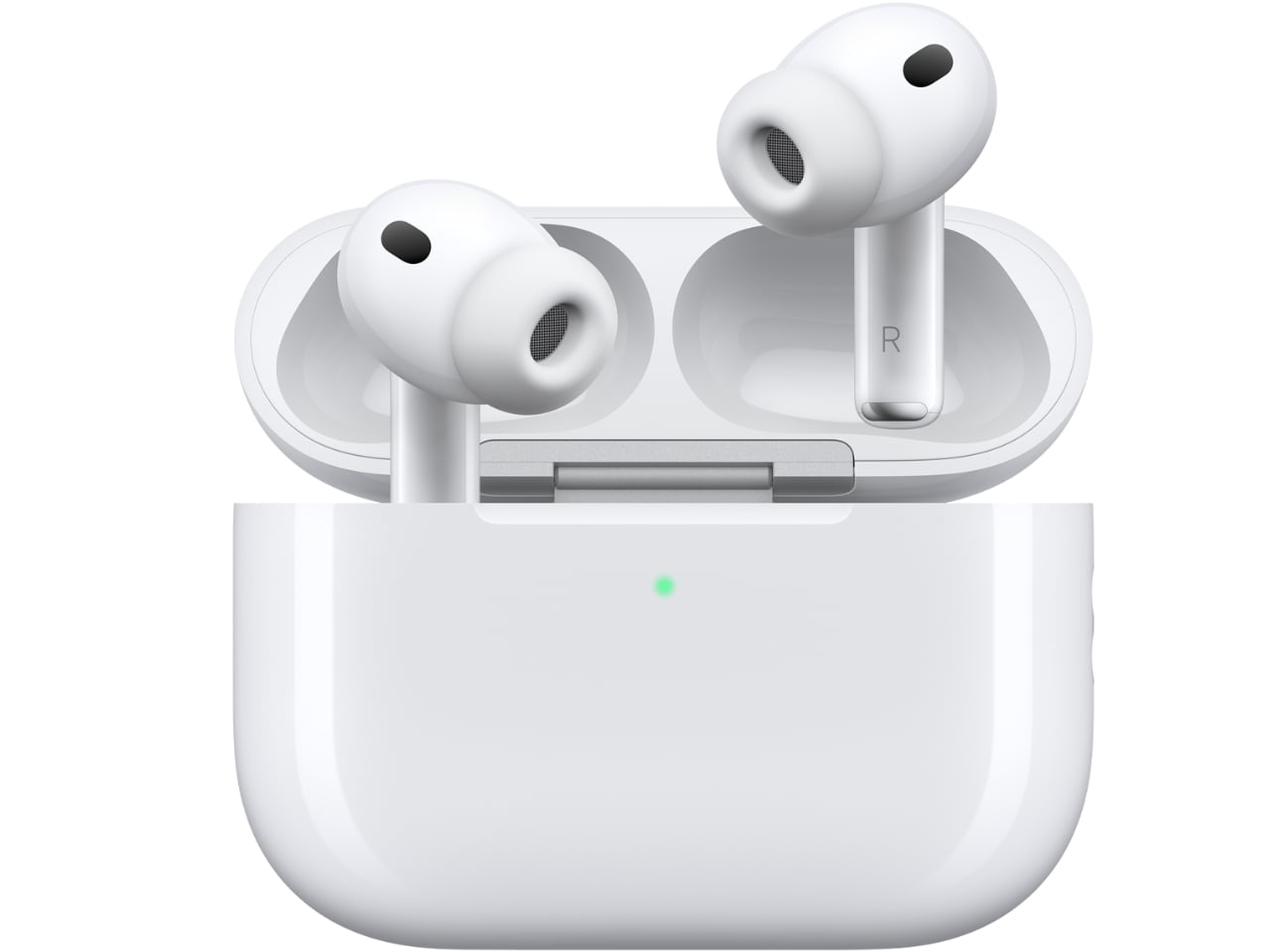
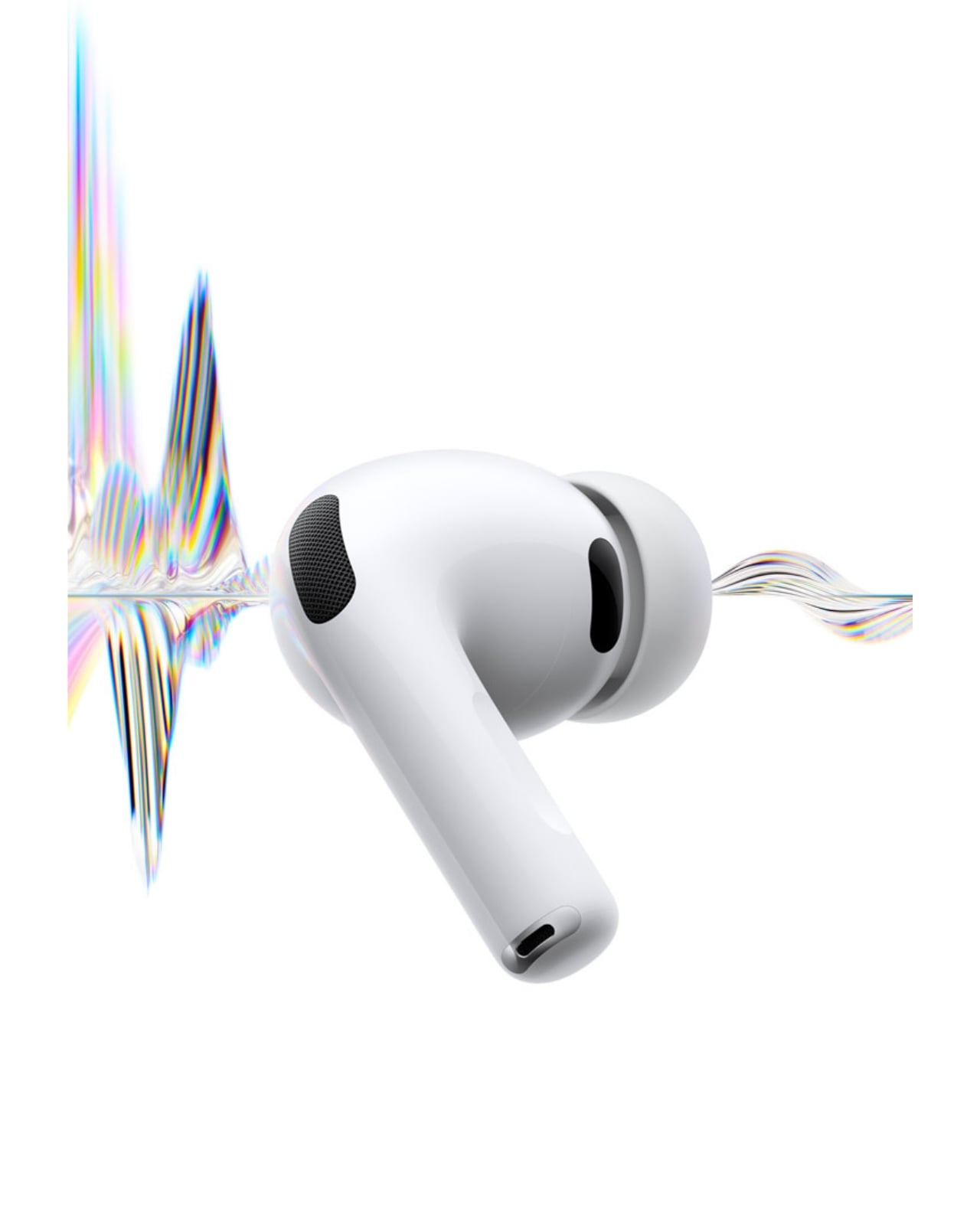
The AirPods Pro 3 ship with a redesigned fit system, adding foam-infused ear tips across all sizes and a new extra-extra-small option for a noticeably deeper seal. That revised fit is doing real work. It’s part of why independent testing from RTINGS shows the AirPods Pro 3 outperforming the Pro 2 on noise isolation, especially with street-level and mid-frequency noise. The ANC improvement is real, and most of it comes from better physics, not a completely overhauled processing stack.

Then there’s the durability jump. IP57 replaces IP54, meaning the AirPods Pro 3 can survive submersion in a meter of water for up to 30 minutes, compared to the AirPods Pro 2’s more modest splash resistance. If you work out in the rain or tend to leave things near water, that’s a quiet but meaningful upgrade. Battery life lands at eight hours with ANC on, a clear step up from the Pro 2. Worth noting, though: using the heart-rate sensor drops that figure to roughly 6.5 hours per charge, so those gains are conditional depending on how you actually use the earbuds. Which brings us to the feature doing most of the marketing heavy lifting.
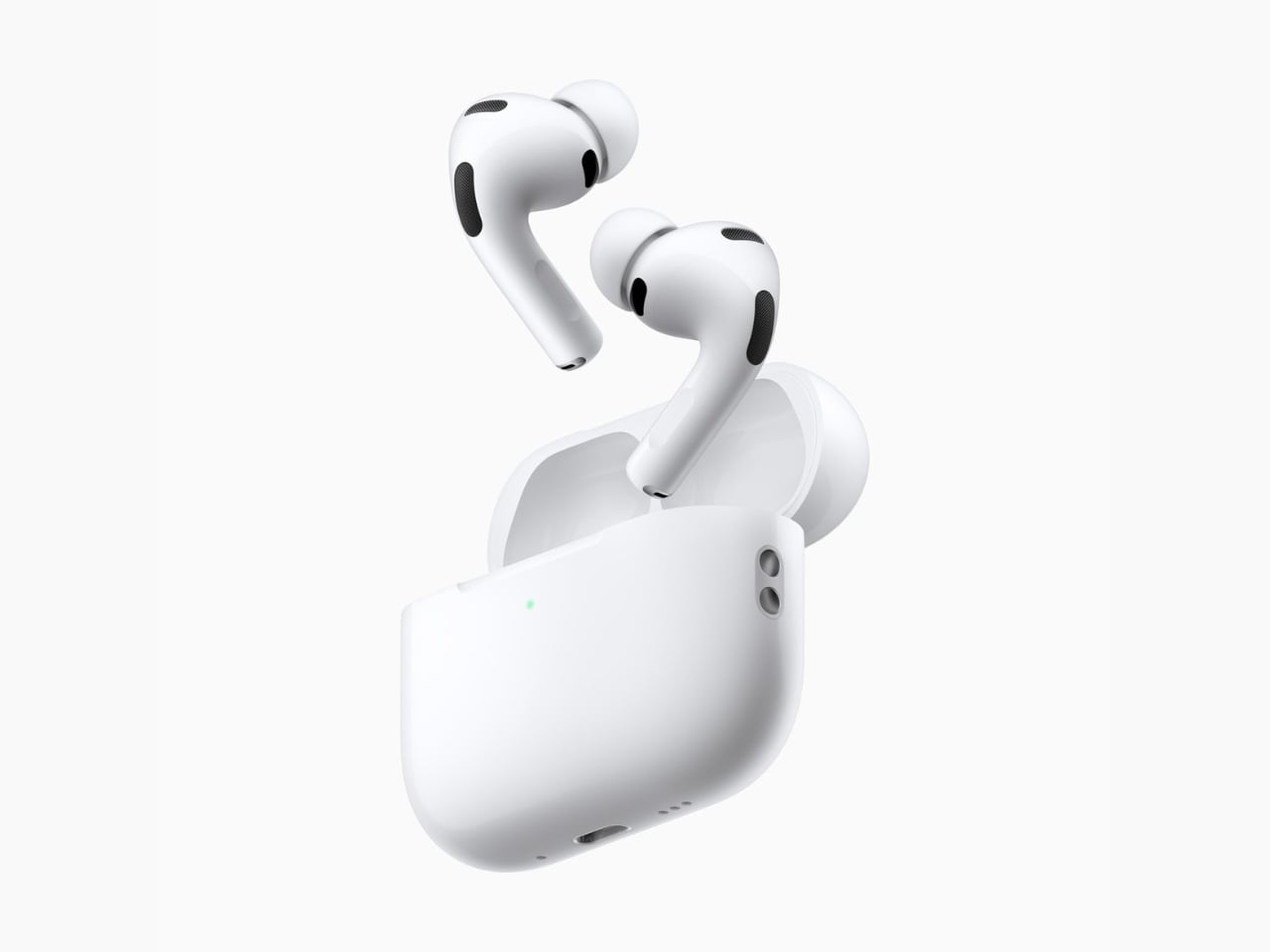
The heart-rate monitor is the AirPods Pro 3’s most discussed addition, and it’s genuinely well-implemented. You can track over 50 workout types on iPhone alone, without an Apple Watch, logging heart rate and calorie burn throughout. If both devices are present, Apple’s system pulls from whichever sensor is giving more reliable data at the time. That’s a thoughtful design call.
But here’s the thing. If you already wear an Apple Watch, the heart-rate sensor in your ears becomes a nice backup, not a reason to upgrade. The people for whom this feature is genuinely transformative are iPhone-first fitness users who aren’t wearing a watch, or people who prefer fewer devices on their body during a workout. For everyone else, it reads more like product ambition than personal necessity.

So where does the AirPods Pro 2 still hold its ground? Almost everywhere a casual listener, commuter, or Apple Watch owner actually lives. The H2 chip delivers the same spatial audio, the same call quality baseline, and the same hearing health features, including the hearing test and hearing aid mode. At $167 renewed, the Pro 2 offers a level of performance that would have been considered flagship just two years ago.
The AirPods Pro 3 are the better earbuds. They fit better, block more noise, last longer on a charge, and carry the kind of health-sensor integration that signals where Apple wants this product category to go. But better earbuds and better value are not the same thing, and in May 2026, that distinction matters.
If you don’t own AirPods Pro yet, the Pro 3 are the ones to get. If you already own the Pro 2 and they still fit and function well, this is not a compelling upgrade unless the heart-rate tracking or the improved seal solves a real problem for you. At $167 renewed, the AirPods Pro 2 remain one of the most capable earbuds at their price, chip-for-chip. Apple builds excellent products. It also builds excellent arguments for buying last year’s excellent products at a discount.

The post AirPods Pro 3 vs Pro 2: Should You Actually Upgrade in 2026? first appeared on Yanko Design.